

Low-Power Wide-Area Network (LPWAN) technologies LoRaWAN and NB-IoT are redefining smart public facilities and accelerating the rise of smart cities. With long-range coverage, ultra-low power use, and support for massive device connections, these IoT protocols deliver stable, cost-effective connectivity for public safety, traffic control, utility metering, and urban governance.
Smart fire protection and networked smoke alarms stand out as critical safety upgrades. Linked via LoRaWAN/NB-IoT, smart smoke detectors send real-time alerts to monitoring centers at the first sign of smoke or heat, replacing passive, standalone devices with proactive, remote monitoring. This slashes emergency response delays, strengthens fire safety in residential, commercial, and public spaces, and protects lives and property.
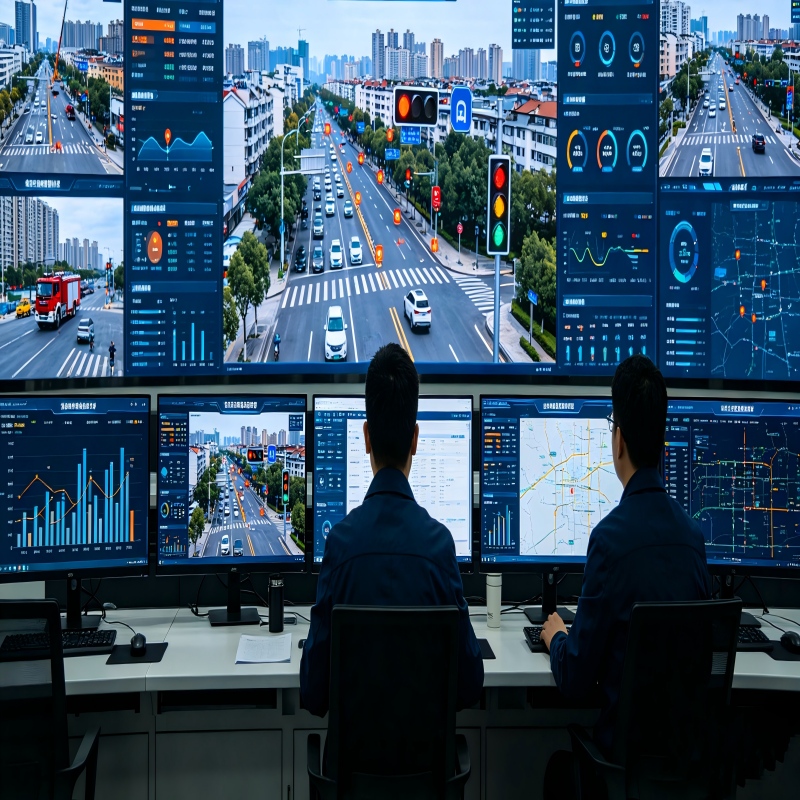
Smart traffic lights leverage these IoT technologies to ease urban congestion. By collecting real-time vehicle and pedestrian data, they dynamically adjust signal timing, cut travel time, and reduce emissions. The strong penetration and wide coverage of LoRaWAN/NB-IoT ensure uninterrupted operation even in dense downtown areas.
For utilities, AMR/AMI systems use these protocols to enable wireless, remote meter reading for water, gas, and electricity. This removes manual checks, boosts data accuracy, and supports efficient energy management—core to smart city sustainability.
In short, LoRaWAN and NB-IoT build a reliable, scalable foundation for smart public facilities. They elevate efficiency, safety, and sustainability, powering smarter, safer, and more livable cities across the globe.
Post time: Apr-22-2026


